
The abaya has traveled a long road — from a simple outer garment to a global fashion statement. Yet around it swirls a cloud of misconceptions: that every abaya is the same, that they only come in black, that they belong solely at formal occasions. This guide separates the myths from the facts so you can shop, style, and care for abayas with confidence.
Myth 1: All Abayas Are the Same
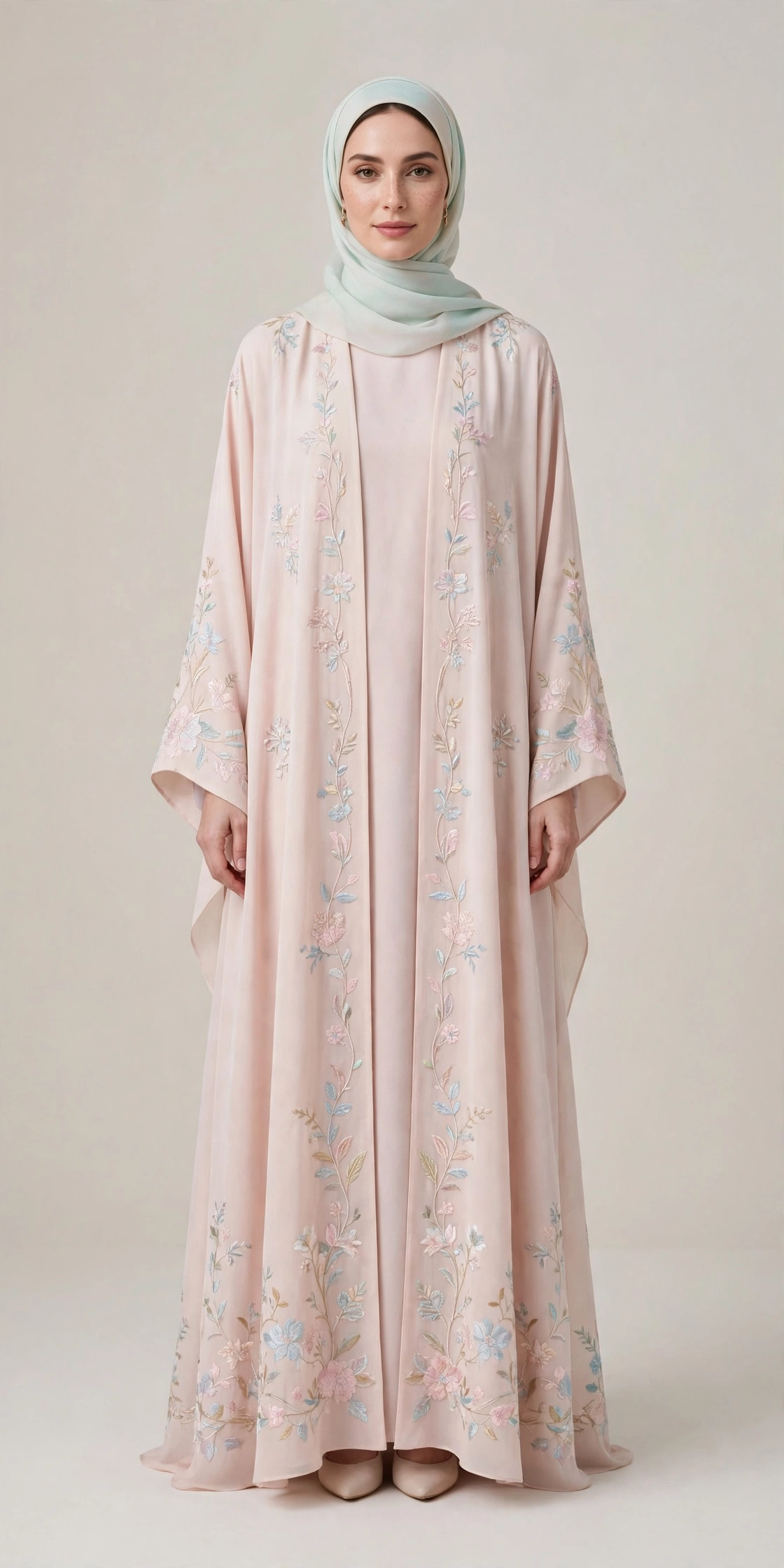
Fact: Modern abaya design spans an enormous range. Open-front abayas wear like a long kimono over everyday clothes; closed abayas are single-piece garments; then there are bisht-style cuts, cape abayas, belted silhouettes, and two-piece sets. Sleeves alone run from wide butterfly cuts to tailored cuffs. Fabrics include crepe, chiffon, georgette, linen, jersey, and satin-back crepe — each draping differently. Details matter too: hand embroidery, laser-cut hems, piping, pleats, and subtle beadwork turn one “simple” garment into hundreds of distinct looks.
Myth 2: Abayas Only Come in Black
Fact: Black remains the classic choice — it is slimming, versatile, and culturally standard in many regions — but color has fully entered abaya fashion. Earth tones like taupe, olive, and mocha work beautifully for daytime; pastels such as blush, sage, and powder blue suit spring events; deep jewel tones like emerald and burgundy read as evening wear. Prints have also arrived: pinstripes, subtle florals, and geometric patterns appear in contemporary collections. The rule is simple: choose colors that match the occasion and your existing wardrobe, not a mythical dress code.
Myth 3: Abayas Are Only for Formal Occasions
Fact: The everyday abaya is one of the most practical garments in modest fashion. Lightweight jersey and crepe abayas function as all-day outerwear — breathable, easy to wash, and effortless to throw on over jeans or a dress. Many women keep a rotation: casual daily abayas, polished work abayas in structured cuts, and statement pieces for weddings and celebrations. The rise of “abaya as outerwear” styling means it pairs with sneakers and tote bags just as naturally as with heels and a clutch.
Myth 4: Abayas Are Outdated
Fact: Modest fashion is one of the fastest-growing segments in global fashion, and the abaya sits at its center. Designers now show abaya-inspired collections at major fashion weeks, and modest-fashion influencers style abayas with streetwear, tailoring, and evening looks alike. If you enjoy playing with fashion history and bold silhouettes, you will appreciate how different eras reinterpret a single garment — our guide to steampunk fashion shows the same idea at work in another style universe. The abaya is not frozen in time; it is being reinvented season after season.
Myth 5: Styling an Abaya Is Complicated
Fact: A few reliable formulas cover almost every situation. For a polished daily look, pair a black open abaya with a monochrome outfit underneath and one accent accessory. For evenings, choose a closed abaya in a rich fabric and add a statement clutch plus metallic heels. Belts define the waist on straight cuts; layered necklaces and structured handbags add personality without overwhelming the silhouette. Footwear sets the tone more than anything else — sneakers relax an abaya, pointed flats smarten it, heels dress it up.
Practical Buying Tips
Before buying, check the fabric weight and lining: unlined chiffon needs an underdress, while crepe usually does not. Hold the fabric up to light to judge opacity. Consider your climate — linen and cotton blends for heat, heavier crepe for air-conditioned offices and winter evenings. Fit matters more than size labels: shoulder seams should sit at the shoulder, sleeves should clear the wrist, and the hem should skim the floor without pooling. Finally, read the care label; many embellished abayas are dry-clean only, while everyday jersey pieces machine-wash well.
Caring for Your Abayas
Store abayas on padded hangers to keep shoulders crisp, and never cram embellished pieces into crowded closets. Steam rather than iron delicate fabrics. Spot-treat stains promptly — makeup and perfume marks are the most common culprits. With basic care, a quality abaya keeps its drape and color for years, which makes it one of the most cost-effective garments per wear in any wardrobe. For special occasions, bridal and festive styling takes the same principles further — see our roundup of gold vaddanam designs for how traditional jewelry completes an occasion look.
The honest truth is that abaya fashion rewards curiosity: the more cuts, fabrics, and styling ideas you try, the more you discover a garment that is anything but one-dimensional.
Seasonal Styling: Summer vs Winter Abayas
Climate should drive your fabric choices more than trends. In summer heat, lightweight linen, cotton voile, and unlined crepe keep you cool; light colors reflect sun and show less sweat. Look for wide sleeves and open fronts that allow airflow. In winter, heavier crepe, wool blends, and satin-back fabrics add warmth without bulk, and darker jewel tones suit the season. A practical wardrobe holds at least two seasonal rotations — three to four lightweight pieces for hot months and two to three structured pieces for cooler weather. Transitional pieces in mid-weight crepe bridge the gap: they layer over sweaters in winter and work unlined in spring. Whatever the season, breathability matters more than brand names; an abaya you can wear all day in your actual climate beats a beautiful piece that stays in the closet.
Common Mistakes to Avoid
The most frequent mistake is buying for the hanger instead of the body — an abaya that looks stunning on a model can overwhelm a petite frame or drown a curvy one. Always try the actual size, and check the look sitting down as well as standing. Second, do not neglect underdressing: a sheer abaya over clashing colors ruins the effect. Third, avoid over-accessorizing; one statement piece beats three competing ones. Finally, resist sizing up “for modesty” — excess fabric looks sloppy rather than modest, while correct tailoring looks both elegant and appropriate.