

The North Fork of Long Island is the quieter half of the island’s East End. While the South Fork gets the spotlight with the Hamptons, the North Fork stays slower and more rural: farm fields, small harbor towns, and wine country stretching from Riverhead to Orient Point. The places to visit on North Fork Long Island mix vineyards, village streets, beaches, and roadside farm stands into an easy weekend trip.
Explore the Wineries and Vineyards
Wine tasting is the main draw for most first-time visitors, and the North Fork delivers it without the crowds of better-known wine regions. More than 30 wineries are spread along the Route 25 corridor and the surrounding farm roads, many of them family-run tasting rooms set right beside the vines.
A few well-established names are worth putting on your list. Bedell Cellars in Cutchogue is known for its polished red blends and a calm, well-designed tasting room. Pindar Vineyards is a good stop for trying a wide range of styles in one visit. Macari Vineyards in Mattituck pairs its wines with one of the prettiest vineyard views in the area. For something smaller and more personal, Paumanok Vineyards in Aquebogue and Lenz Winery in Peconic are both longtime local favorites. If you want your wine with a water view, Kontokosta Winery sits right on the Long Island Sound in Greenport.
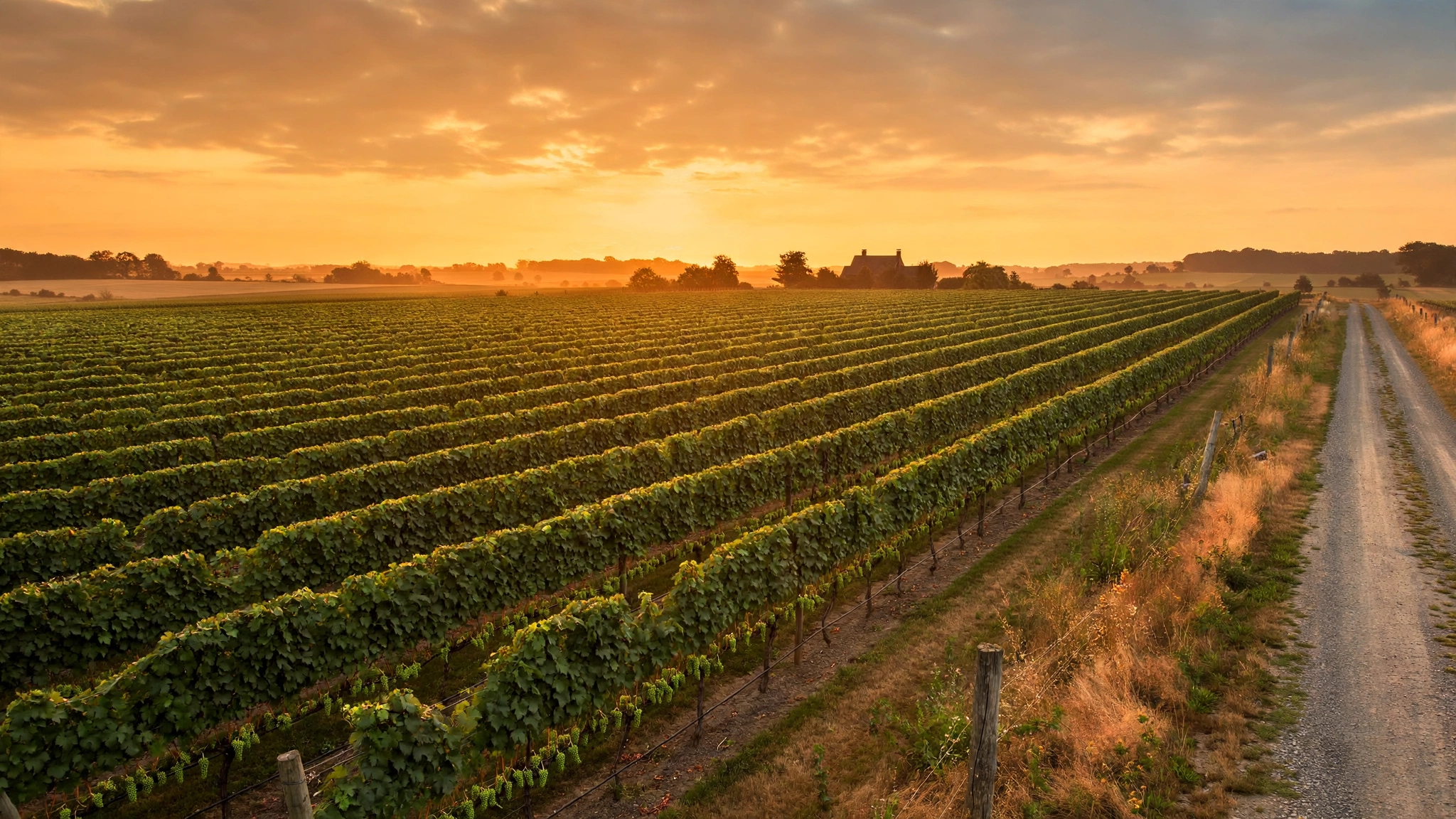
Most tasting rooms ask you to book ahead on weekends, so check winery websites before you drive out. Plan for two or three wineries in a day rather than racing through five — you will enjoy each one more. If you prefer not to drive, wine-tour companies run scheduled routes from the city and from Greenport itself.
Stroll Through Greenport Village
Greenport is the North Fork’s most walkable destination and a natural base for a day or two. This former whaling and shipbuilding port has kept its 19th-century storefronts, and the waterfront is still a working harbor with fishing boats, ferries, and marinas.
Spend a morning browsing the independent shops and galleries along Main Street, then head down to the harbor for a seafood lunch. The village also has a carousel from 1920 that runs in the warmer months, a small railroad museum, and an old-time cinema.
Relax on the Beaches and in the Parks
The North Fork’s coastline is gentler than the ocean side of Long Island, with calm bays and long stretches of pebbly and sandy shore. Orient Beach State Park at the eastern tip is the standout: a long, quiet beach on Gardiners Bay with shallow water, a shaded picnic area, and views across to the Shelter Island ferry route.
Inland, Hallock State Park Preserve near Jamesport protects one of the last large undeveloped stretches of Long Island Sound shoreline. Its trail network crosses fields, woodland, and bluffs above the water, and birdwatchers rate it highly for migrating species in spring and fall. Bring walking shoes and water — the trails are easy, but shade is limited on the bluff sections.
Taste the Farm Stands and Local Food
The North Fork is still a working farm region, and eating well here is mostly a matter of pulling over. From late spring through autumn, roadside farm stands sell sweet corn, tomatoes, peaches, berries, pies, and fresh flowers, much of it picked the same day. Restaurants across the fork lean into the local harvest too — farm-to-table menus, oyster bars, and casual seafood shacks are easy to find in Greenport, Southold, and Mattituck.
When to Visit the North Fork
Fall is the classic season: harvest is underway in the vineyards, the farm stands are at their peak, and the light on the water is hard to beat. Expect the busiest tasting rooms and the highest room rates on autumn weekends.
Summer brings beach weather and long evenings, but also the biggest crowds and the longest drive-time from the city. Spring is quieter, with blossoming orchards and comfortable walking weather, though some seasonal businesses open later in the season. Winter is the sleepy season — many tasting rooms and restaurants cut back their hours, which suits travelers who want the villages to themselves. Fall is also a lovely time across the whole state, and our guide to New York in the fall has more seasonal trip ideas.
Getting to the North Fork and Getting Around
Driving is the most flexible option. From New York City, take the Long Island Expressway (I-495) east to Riverhead, then follow Route 25 — the Main Road — east along the fork. The drive takes roughly two to three hours depending on traffic, with Friday afternoons and Sunday evenings the slowest.
You can also come by train: the Long Island Rail Road runs from Penn Station to Greenport, the eastern end of the line, and the ride takes about two and a half to three hours.
Where to Stay
Greenport has the largest selection of inns, boutique hotels, and guesthouses, and staying there puts you within walking distance of the harbor and restaurants. Elsewhere along the fork you will find bed-and-breakfasts, farm stays, and vacation rentals in Southold, Mattituck, and Jamesport — but summer and fall weekends book up early, so reserve ahead if your dates are fixed.
If you want to build a longer trip, our guide to places to visit near Long Island, New York covers more destinations you can combine with the North Fork.
North Fork Long Island FAQ
How many days do you need on the North Fork?
Two full days covers the highlights: one day for wineries and Greenport, and one for the beaches, parks, and farm stands. Three days lets you slow down and add a second village or a longer bike ride along the back roads.
Can you visit North Fork wineries without a car?
You can reach Greenport by train from Penn Station, and several wine-tour companies offer guided routes that pick up in Greenport or from the city. Within the fork itself, though, a car (or a planned tour) is by far the easiest way to move between wineries.
Is the North Fork good for families?
Yes. Beyond wine tasting, families get the beaches and trails at Orient Beach State Park and Hallock State Park Preserve, the historic carousel in Greenport, farm stands with picking fields, and plenty of casual restaurants with kid-friendly menus.
What is the difference between the North Fork and the South Fork?
The North Fork is rural and agricultural, known for vineyards, farm stands, and small harbor towns. The South Fork is home to the Hamptons — ocean beaches, resort towns, and a much more polished, upscale scene. They are about an hour apart by car, but they feel like different places.
Final Thoughts
The best places to visit on North Fork Long Island share one quality: none of them rush you. Taste the wine slowly, walk the village streets, pull over at the farm stand, and let the day shape itself.