

London is one of the most visited cities on the planet, and for good reason: few places pack this much history, culture, and everyday energy into a single metro map. If you are planning your first trip — or your fifth — these are the ten best places to visit in London, chosen to balance the must-see icons with the spots locals actually love.
1. The British Museum
Two million years of human history, free to enter, in the heart of Bloomsbury. The Rosetta Stone, the Elgin Marbles, and Egyptian mummies draw the crowds, but the real joy is wandering the Great Court and stumbling into galleries you never planned to visit. Arrive at opening time to beat the tour groups.
2. Tower of London
A thousand years of royal drama behind ancient stone walls. The Crown Jewels alone justify the ticket, but the free Yeoman Warder tours bring the Tower’s darker stories — executions, escapes, ravens — vividly to life. Book online in advance for the best prices.
3. Buckingham Palace
The working residence of the British monarch and the setting for the famous Changing of the Guard ceremony (check the schedule before you go — it does not run daily in winter). In summer, the State Rooms open to the public, offering a rare look inside a working palace.
4. Westminster Abbey and the Houses of Parliament
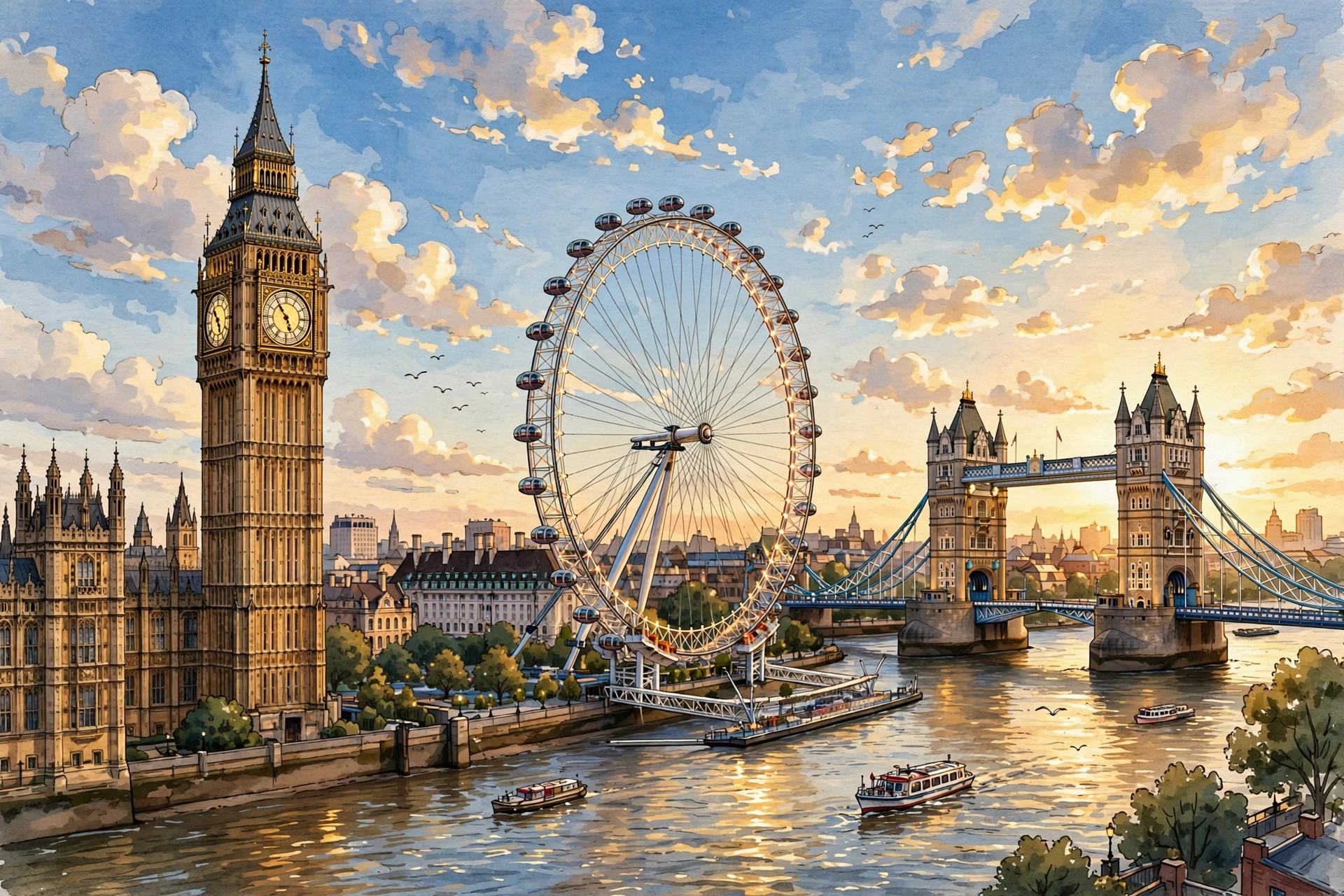
A thousand years of coronations, royal weddings, and national memorials under one Gothic roof. Across the street, the Houses of Parliament — with the clock tower everyone calls Big Ben — is the most photographed view in Britain. Walk across Westminster Bridge at sunset for the classic postcard shot.
5. The Natural History Museum
South Kensington’s cathedral of nature, home to the famous blue whale skeleton in Hintze Hall and one of the world’s great dinosaur galleries. Like most of London’s national museums, entry is free — though the special exhibitions charge.
6. Hyde Park and Kensington Gardens
London’s green lung: 350 acres of lawns, the Serpentine lake, Speaker’s Corner, and Diana, Princess of Wales Memorial Fountain. Rent a rowboat, join the Sunday debates, or just picnic like a local. It is the perfect midday reset between museum marathons.
7. Camden Market
Part street-food bazaar, part alternative fashion district, Camden is London at its most eclectic. Graze through hundreds of stalls, then walk the Regent’s Canal towpath to Little Venice. Go hungry — the global food stalls are the main event.
8. Covent Garden
Street performers in the piazza, boutique shopping in the covered market, and the Royal Opera House next door. It is touristy, yes — but the atmosphere is genuinely delightful, especially in the evening when the crowds thin and the buskers come out.
9. The South Bank and the London Eye
The riverside walk from Westminster Bridge to Tower Bridge is one of the great free experiences in Europe: skate parks, secondhand book stalls, the Tate Modern, and street food at Borough Market. The London Eye, at the western end, offers the city’s best panoramic views — book a sunset slot.
10. Greenwich
Where time itself begins. Stand on the Prime Meridian at the Royal Observatory, explore the Cutty Sark clipper ship, and climb the hill in Greenwich Park for one of London’s finest skyline views. The DLR ride out here is half the fun.
How to plan your days
Three full days cover the highlights comfortably. Spend day one on the Westminster cluster — the Abbey, Parliament, Buckingham Palace, and the Churchill War Rooms if history is your thing — then cross to the South Bank for dinner. Day two is for museums: the British Museum in the morning, the National Gallery after lunch, and Covent Garden in the evening. Day three belongs to the east and the river: Tower of London first thing, Borough Market for lunch, the Tate Modern, and a sunset ride on the London Eye. Add a fourth day for Greenwich or a day trip — Windsor Castle, Oxford, or Bath are all easy by train.
Where to stay
First-timers do best in Zone 1 or 2 near a Tube station. South Kensington puts you steps from the big museums; Covent Garden and Soho are unbeatable for restaurants and theatre; Southwark and Bermondsey offer better value with quick river access to the sights. If you are on a tighter budget, look at King’s Cross or Stratford — both are transport hubs with fast connections everywhere.
London on a budget
The free museums are the city’s greatest bargain — the British Museum, National Gallery, Natural History Museum, Tate Modern, and V&A all cost nothing to enter. Walk the South Bank, browse Camden and Borough markets, and picnic in the royal parks instead of paying for lunch with a view. An Oyster or contactless daily cap keeps transport cheap, and many theatres sell same-day discounted tickets at the TKTS booth in Leicester Square.
Practical tips for visiting London
Getting around: Buy an Oyster card or just tap a contactless bank card — the daily fare cap makes it the cheapest option. The Tube is fast but the buses show you the city. When to go: May, June, and September offer the best balance of weather and crowds. Budget: the major museums are free, which softens the blow of everything else. If you are building a wider European itinerary, London pairs perfectly with Paris (two hours by Eurostar) or with a Rome city break later in the trip.
Ten spots barely scratch the surface of a city this deep — but they guarantee a first trip you will remember, and give you every reason to come back for the rest.