
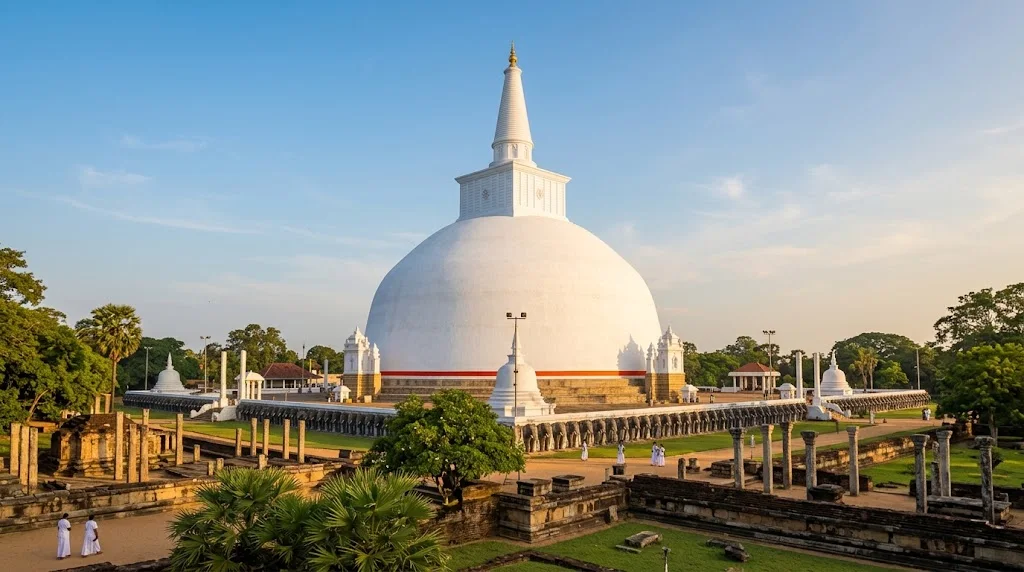
If you are wondering what are the places to visit in Anuradhapura, prepare for a journey through one of Sri Lanka’s most important ancient cities. Located in the North Central Province, Anuradhapura was a major political and religious capital for more than a millennium and is now recognized as a UNESCO World Heritage Site.
The city is especially important to Buddhist pilgrims, history enthusiasts, architecture lovers, and travelers interested in ancient civilizations. Its enormous stupas, sacred temples, ancient monasteries, stone carvings, reservoirs, and peaceful archaeological parks make it very different from Sri Lanka’s beach destinations or modern cities.
From the sacred Sri Maha Bodhi and magnificent Ruwanwelisaya to Abhayagiri, Jetavanaramaya, and the rock-cut Isurumuniya Temple, Anuradhapura offers enough attractions for a full day or even several days of exploration.
Why Visit Anuradhapura?
Anuradhapura is more than a collection of ancient ruins. It was one of the great centers of Buddhist civilization in South Asia, with monasteries, temples, royal structures, irrigation systems, gardens, and enormous religious monuments spread across a large archaeological landscape.
The Sacred City of Anuradhapura was established around the sacred Bodhi tree tradition and flourished as a political and religious capital for roughly 1,300 years. UNESCO describes the site as a major historical center containing palaces, monasteries, and monuments that survived after the ancient city was abandoned.
Today, visitors can explore these remains while also experiencing living Buddhist traditions at several of the city’s sacred sites.
Best Places to Visit in Anuradhapura
1. Sri Maha Bodhi
Sri Maha Bodhi is one of the most important places to visit in Anuradhapura. The sacred fig tree is traditionally associated with a sapling brought from the original Bodhi tree at Bodh Gaya in India during the 3rd century BCE.
The site remains an active place of Buddhist devotion, with visitors and pilgrims gathering around the sacred tree. Its religious significance makes it different from simply visiting an archaeological monument.
Allow additional time here if you want to experience the peaceful atmosphere and observe local religious practices respectfully.
2. Ruwanwelisaya Stupa
Ruwanwelisaya, also known as Ruwanweli Maha Seya, is one of the most recognizable monuments in Anuradhapura. Its large white dome and surrounding architectural features make it a highlight of the ancient city.
The stupa is associated with King Dutugemunu and forms part of the historic Mahavihara complex. Sri Lanka Tourism identifies Ruwanwelisaya as one of Anuradhapura’s major sacred monuments and notes its historic connection to the ancient kingdom.
Visit early in the day or toward evening if you want a calmer atmosphere and softer light for photography.
3. Thuparamaya
Thuparamaya is another important Buddhist monument and is traditionally regarded as the first stupa built in Sri Lanka following the introduction of Buddhism to the island.
The stupa is surrounded by distinctive stone columns, giving the site a different appearance from the larger dome-shaped monuments elsewhere in Anuradhapura.
For travelers interested in Buddhist history and ancient architecture, Thuparamaya is an essential stop.
4. Abhayagiri Stupa and Monastic Complex
The Abhayagiri Stupa stands within one of the largest monastic complexes of ancient Anuradhapura. The surrounding archaeological area includes monastery remains, sculptures, stone structures, and other remnants of an extensive religious community.
Sri Lanka Tourism identifies Abhayagiri as one of the three major monastic complexes of ancient Anuradhapura.
The wider complex is especially rewarding for visitors who want to understand how monks lived, studied, and practiced within the ancient city rather than seeing only individual monuments.
5. Jetavanaramaya Stupa
Jetavanaramaya is one of the most impressive monuments in the ancient city. Built primarily of brick, its enormous scale demonstrates the engineering and architectural capabilities of ancient Sri Lankan civilization.
The monument belongs to the Jetavana monastic complex and is one of the major archaeological highlights of Anuradhapura. Sri Lanka Tourism notes that the ancient dagoba reached monumental proportions during the Anuradhapura period.
Its huge brick structure and surrounding ruins make it particularly interesting for travelers fascinated by ancient construction techniques.
6. Isurumuniya Temple
Isurumuniya Temple combines religious heritage, rock architecture, and ancient sculpture. The temple is built around a rocky landscape and is particularly known for its carved stone figures.
Among its best-known carvings is the sculpture commonly referred to as the Isurumuniya Lovers. Sri Lanka Tourism also highlights carvings associated with a horseman and elephants among the site’s notable artistic features.
This is a good place to include in your itinerary if you enjoy ancient art and smaller historic sites alongside Anuradhapura’s enormous stupas.
7. Lovamahapaya or Brazen Palace
Lovamahapaya, often called the Brazen Palace, is located near Sri Maha Bodhi and Ruwanwelisaya. What remains today is primarily a striking arrangement of stone pillars.
The surviving columns provide a glimpse into the scale of ancient monastic architecture and help visitors understand that Anuradhapura was once a highly organized urban and religious center rather than simply a collection of isolated temples.
8. Samadhi Buddha Statue
The Samadhi Buddha Statue is one of the most recognized examples of ancient Buddhist sculpture associated with Anuradhapura.
The seated Buddha is traditionally associated with meditation and is valued for its calm expression and sculptural form. It is a worthwhile stop for travelers interested in Sri Lankan Buddhist art and ancient stone craftsmanship.
9. Kuttam Pokuna — Twin Ponds
Kuttam Pokuna, or the Twin Ponds, demonstrates the sophistication of ancient hydraulic and monastic architecture. The carefully constructed bathing pools were associated with the monastic environment of Abhayagiri.
The symmetrical design, stone steps, decorative details, and surrounding archaeological remains make Kuttam Pokuna one of the more visually distinctive places to visit in Anuradhapura.
10. Vessagiriya
Vessagiriya is an ancient rock monastery located among large boulders and caves. The site provides a quieter experience compared with some of the major pilgrimage monuments.
Sri Lanka Tourism notes that Vessagiriya was a substantial rock monastery associated with hundreds of monks during the ancient period.
It is a good addition for visitors who want to explore the less monumental side of Anuradhapura’s monastic history.
11. Mirisavetiya Stupa
Mirisavetiya Stupa is another important monument within the ancient city. It is traditionally associated with King Dutugemunu and forms part of the sacred heritage of Anuradhapura.
The monument is surrounded by archaeological remains that help show the relationship between stupas and the larger monastic complexes that once supported them.
12. Royal Pleasure Gardens
The Royal Pleasure Gardens, associated with the ancient royal landscape around Anuradhapura, offer a different perspective on the city. Instead of focusing only on religious monuments, this area provides insight into ancient landscaping and royal life.
It can be paired conveniently with nearby Isurumuniya and other attractions when planning a sightseeing route.
Ancient Irrigation Tanks Around Anuradhapura
Anuradhapura’s achievements were not limited to temples and stupas. Ancient Sri Lankan rulers developed extensive irrigation systems that supported agriculture and urban life.
Tissa Wewa and other historic reservoirs form an important part of the broader cultural landscape. Sri Lanka Tourism notes that several large irrigation lakes helped sustain ancient Anuradhapura’s agricultural system.
These water-management systems are worth seeing if you want your visit to include the engineering and environmental side of the ancient kingdom.
Best Places to Visit Near Anuradhapura
If you have additional time, several destinations in the surrounding region can complement an Anuradhapura trip.
Mihintale
Mihintale is particularly significant in Sri Lankan Buddhist history and is located close to Anuradhapura. Sri Lanka’s tourism authority notes that its ancient shrines and monuments are approximately 11 kilometers from Anuradhapura.
The site is associated with the arrival of Buddhism in Sri Lanka and is commonly included in Buddhist heritage itineraries through the region.
Polonnaruwa
If you are building a broader cultural itinerary, consider continuing to Polonnaruwa, another major ancient city of Sri Lanka. Visiting both destinations gives travelers a broader understanding of the island’s historic capitals and changing architectural traditions.
How Many Days Do You Need in Anuradhapura?
One full day is enough to see several of the major monuments, especially if you start early and organize your route in advance.
Two days is a better option if you want to explore the major stupas, temples, archaeological sites, reservoirs, and nearby Mihintale without rushing.
Travelers interested primarily in religious heritage may also prefer a slower itinerary that allows time at the active pilgrimage sites rather than trying to visit every archaeological location.
Suggested One-Day Anuradhapura Itinerary
If you only have one day, an efficient route could look like this:
- Early morning: Sri Maha Bodhi
- Morning: Ruwanwelisaya and Thuparamaya
- Late morning: Lovamahapaya and nearby archaeological remains
- Afternoon: Abhayagiri Stupa and Kuttam Pokuna
- Late afternoon: Samadhi Buddha and Jetavanaramaya
- Evening: Isurumuniya and the surrounding area
The exact order can be adjusted depending on opening arrangements, religious activities, weather, and how much time you want to spend at each site.
Best Time to Visit Anuradhapura
For comfortable sightseeing, plan your exploration around the cooler parts of the day. Early morning is particularly useful because many attractions involve walking through large open archaeological areas.
The dry season can generally make outdoor exploration easier, but Sri Lanka’s weather varies by region and season. Check current local conditions before traveling, especially if your itinerary includes several outdoor heritage sites.
What to Wear When Visiting Anuradhapura
Anuradhapura includes active Buddhist religious sites, so respectful clothing is important. Wear clothing that covers the shoulders and knees when visiting temples and sacred areas.
Visitors may also need to remove footwear at certain religious sites. Carrying easy-to-remove shoes or sandals can make temple visits more convenient.
Because the archaeological area involves substantial walking, comfortable footwear, sun protection, drinking water, and light clothing are practical additions to your day bag.
Tips for Exploring the Ancient City
- Start early to avoid the strongest midday heat.
- Allow plenty of time for walking between archaeological sites.
- Dress respectfully at Buddhist temples and sacred monuments.
- Follow photography restrictions and local religious customs.
- Carry water, sun protection, and comfortable walking shoes.
- Consider a local guide if you want deeper historical context.
- Check official ticketing information before visiting paid heritage attractions.
- Do not rush between monuments; the scale of the ancient city is part of the experience.
For current heritage-site ticket information, the Central Cultural Fund provides an official online resource for Sri Lanka’s UNESCO and cultural attractions.
Is Anuradhapura Worth Visiting?
Anuradhapura is particularly worthwhile for travelers who enjoy ancient history, Buddhist culture, archaeology, architecture, and cultural tourism. Its significance comes from the combination of living religious traditions and an enormous archaeological landscape.
The city is also an excellent choice for travelers building a wider Sri Lankan cultural itinerary. Instead of focusing on one attraction, you can spend the day moving between stupas, monasteries, statues, ancient water systems, rock temples, and sacred gardens.
If you enjoy discovering destinations with strong historical and cultural identities, you can also explore PostTrek’s broader guide to places to visit in the world for travel and cultural experiences.
Frequently Asked Questions
What is Anuradhapura famous for?
Anuradhapura is famous for its ancient Buddhist monuments, sacred sites, stupas, monasteries, archaeological ruins, and historic irrigation systems. It was an important capital and religious center of ancient Sri Lanka.
What are the most important places to visit in Anuradhapura?
Major highlights include Sri Maha Bodhi, Ruwanwelisaya, Thuparamaya, Abhayagiri, Jetavanaramaya, Isurumuniya Temple, Lovamahapaya, Kuttam Pokuna, Samadhi Buddha, and Mirisavetiya.
Can Anuradhapura be visited in one day?
Yes. A well-planned one-day itinerary can cover many of the major attractions. However, two days allows a more relaxed experience and more time for archaeological sites and nearby Mihintale.
Is Anuradhapura suitable for families?
Yes, particularly for families interested in history and culture. Because the ancient city covers a large area, families should plan for walking, warm weather, and regular breaks.
Is Anuradhapura a religious destination?
Yes. Alongside its archaeological importance, Anuradhapura remains an important Buddhist pilgrimage destination. Several monuments are active sacred sites rather than archaeological ruins alone.
Final Thoughts
Knowing what are the places to visit in Anuradhapura is only the beginning of exploring this remarkable ancient city. From the sacred Sri Maha Bodhi and monumental Ruwanwelisaya to Abhayagiri, Jetavanaramaya, Isurumuniya, and Kuttam Pokuna, the destination brings together religion, archaeology, architecture, art, and ancient engineering.
Give yourself enough time to explore beyond the most photographed monuments. The quieter ruins, reservoirs, monastery remains, and stone carvings help reveal the scale and sophistication of ancient Anuradhapura.