Tokyo is one of the most exciting destinations in Japan, combining futuristic skyscrapers, centuries-old temples, world-famous food, and unique cultural experiences. For first-time visitors, the city offers far more than shopping and sightseeing. You can explore traditional neighborhoods, enjoy panoramic skyline views, relax in a Japanese hot spring, or escape the busy streets for a day in the countryside.
The best way to experience Tokyo is to combine its major attractions with activities that reveal a different side of Japanese life. Some experiences are available right in the city, while others make excellent day trips from the capital.
Here are seven of the best things to do in Tokyo for first-time visitors, including seasonal activities and lesser-known destinations worth adding to your itinerary.
1. Explore Traditional Tokyo in Asakusa
Asakusa is one of the best places to begin a first trip to Tokyo. Unlike the city’s modern commercial districts, this historic neighborhood preserves the atmosphere of old Tokyo, with traditional shops, street food stalls, and Buddhist architecture.
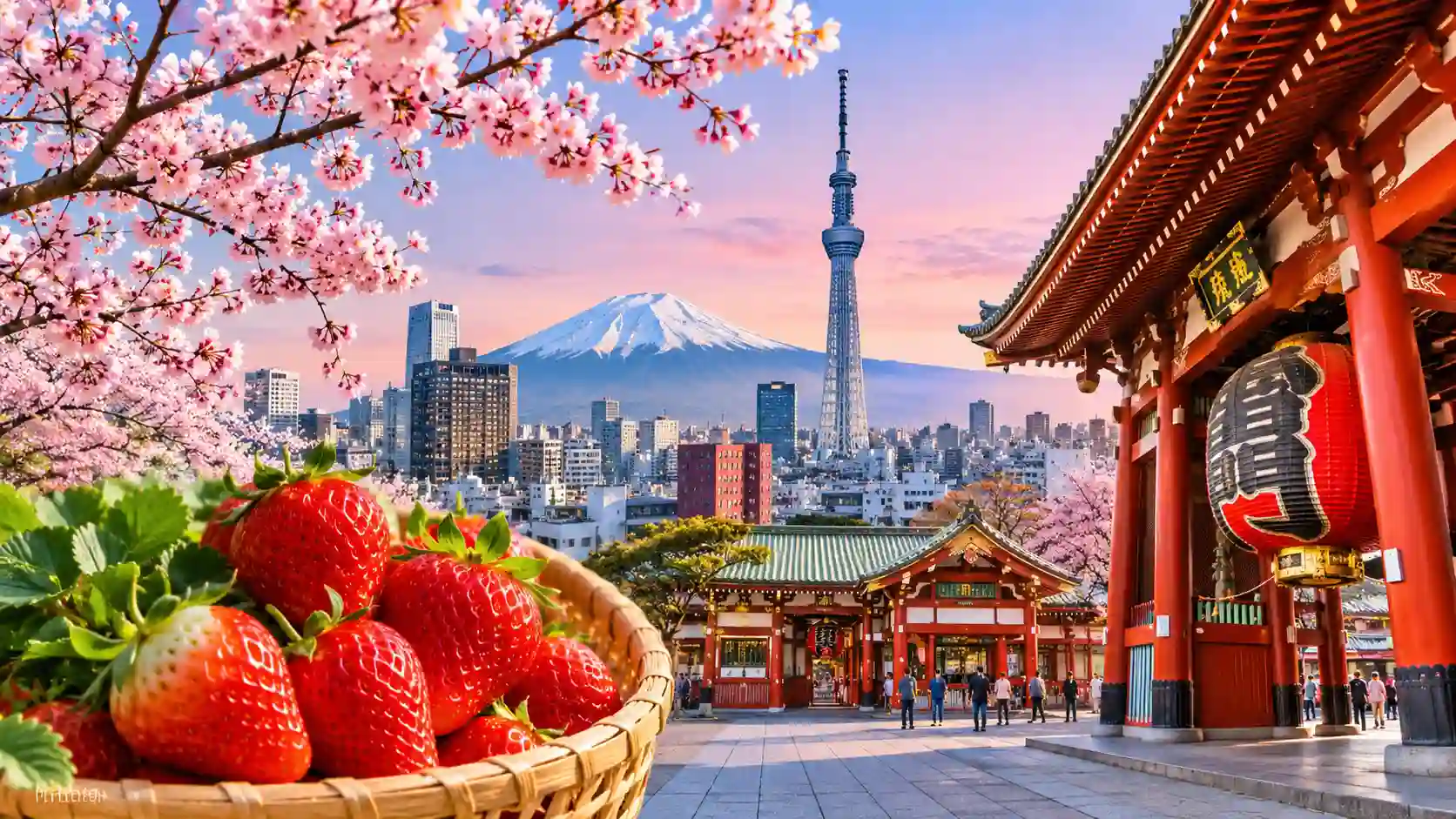
The main attraction is Senso-ji, Tokyo’s oldest Buddhist temple and one of its most recognizable landmarks. Start at Kaminarimon Gate, famous for its enormous red lantern, and walk along Nakamise Shopping Street toward the temple grounds.
Along the way, browse shops selling Japanese souvenirs, folding fans, traditional sweets, and handmade crafts. You can also try local snacks such as ningyo-yaki, small cakes filled with sweet red bean paste, and freshly made senbei rice crackers.
For a different perspective, take a walk along the Sumida River or visit the nearby Tokyo Skytree area. The contrast between historic Asakusa and the modern skyline makes this part of Tokyo particularly interesting.
Best for: First-time visitors, Japanese culture, photography, and traditional street food.
Travel tip: Visit Senso-ji early in the morning to enjoy the temple grounds before the busiest crowds arrive. Return later for shopping and dinner in the surrounding streets.
2. Experience Tokyo’s Modern Side in Shibuya and Shinjuku
Tokyo’s modern neighborhoods offer a completely different atmosphere from Asakusa. Shibuya and Shinjuku are ideal for visitors who want to experience the city’s energetic nightlife, contemporary architecture, shopping, and entertainment.
In Shibuya, cross the famous Shibuya Scramble Crossing, where pedestrians move in every direction beneath giant video screens and illuminated advertisements. Visit Shibuya Sky for panoramic views of the city, especially around sunset when Tokyo’s skyline begins to glow.
Shinjuku offers another side of urban Tokyo. Explore the peaceful paths of Shinjuku Gyoen National Garden, browse department stores, and discover the narrow restaurant alleys of Omoide Yokocho. In the evening, head toward Kabukicho to see the city’s bright neon signs and bustling entertainment district.
Food lovers should leave time for ramen shops, sushi restaurants, yakitori counters, and Japanese convenience stores. Even a simple meal can become part of the travel experience.
Best for: City views, nightlife, shopping, photography, and modern Japanese culture.
Travel tip: Plan Shibuya Sky around sunset if you want daytime and nighttime views in one visit. Advance reservations are recommended for popular time slots.
3. Try Strawberry Picking in Tokyo
Strawberry picking is a surprisingly enjoyable activity for travelers who want to experience something beyond Tokyo’s usual tourist attractions. Known in Japan as ichigo-gari, this experience allows visitors to pick ripe strawberries directly from greenhouse plants and enjoy their fresh flavor.
Many Japanese farms offer timed picking sessions, sometimes with all-you-can-eat strawberries for a fixed period. Depending on the farm, visitors may be able to sample several varieties, including varieties prized for their sweetness, aroma, and juicy texture.
Although strawberry picking is not available at every location throughout the year, the main season generally runs from winter into spring. The Japan National Tourism Organization identifies January through May as a particularly good period for strawberry experiences, although actual dates depend on the farm and growing conditions.
For visitors staying in Tokyo, look for farms in western Tokyo or nearby destinations in Kanagawa, Saitama, and Tochigi. Some farms are accessible by public transportation, while others are easier to reach by car or on an organized excursion.
Before booking, check whether reservations are required, how long the session lasts, and whether strawberries are included in the admission price. Some farms operate only on selected days or stop accepting visitors when the daily harvest sells out.
Best for: Couples, families, food lovers, and travelers seeking a seasonal Japanese experience.
Travel tip: If your trip falls between December and May, search for Strawberry Picking in Tokyo and compare farms by location, availability, and transportation time. Book ahead during weekends and holidays.
4. Go Trout Fishing in Japan
For a quieter escape from Tokyo’s busy streets, trout fishing offers an opportunity to experience Japan’s natural landscapes. Mountain streams, forested valleys, and managed fishing areas provide a peaceful alternative to the city’s shopping districts and crowded attractions.
You do not need to be an experienced angler to enjoy this activity. Many managed fishing facilities around the Tokyo region offer equipment rentals and designated fishing areas where beginners can try catching trout without organizing a complicated independent fishing trip.
Some locations also provide barbecue facilities, allowing visitors to cook their catch on-site where permitted. This combination of outdoor recreation and a traditional countryside setting makes fishing an appealing option for couples, families, and small groups.
For a day trip, look toward the Okutama area in western Tokyo or nearby mountain regions in neighboring prefectures. Travel times vary considerably depending on the fishing facility, so check the route before making plans.
If you prefer a more natural setting, look for facilities that use mountain streams rather than conventional fishing ponds. However, always confirm whether fishing is permitted, whether equipment is included, and whether reservations are necessary.
Best for: Nature lovers, beginners, families, and travelers looking for outdoor activities.
Travel tip: Research Trout Fishing in Japan before your visit and choose a facility with English-language information if you do not speak Japanese. Bring comfortable shoes and check seasonal opening dates, particularly in colder months.
5. Visit Izurusan Manganji for a Cultural Day Trip
Travelers who have several days in Tokyo may want to spend one of them exploring a quieter part of Japan. Izurusan Manganji Temple, located in Tochigi City in Tochigi Prefecture, is an interesting option for those who appreciate Buddhist history, wooded landscapes, and traditional Japanese architecture.
According to the regional tourism authorities, the temple is traditionally associated with a foundation dating to the eighth century. It belongs to the Chisan school of Shingon Buddhism and is surrounded by forested hills and natural scenery.
The temple complex includes historic religious buildings and is known as an important pilgrimage destination. Visitors interested in Japanese spirituality can explore the grounds and learn about the traditions that have shaped religious life in the region for centuries.
The surrounding Izuru area is also known for its soba noodles. Local restaurants serve handmade buckwheat noodles associated with the area’s temple and countryside heritage, making lunch an enjoyable part of the excursion.
Izurusan Manganji is not in central Tokyo, so it should be treated as a separate day trip rather than a quick stop between city attractions. Public transportation involves traveling to Tochigi Station and continuing by local bus, with journey times depending on connections.
Best for: History enthusiasts, cultural travelers, photography, and visitors seeking less crowded destinations.
Travel tip: Search for Izurusan Manganji when planning your route and check bus schedules in advance. Combining the temple visit with a meal of local soba makes the trip more rewarding.
6. Relax in a Japanese Onsen or Sento
After several days of walking around Tokyo, visiting a Japanese bathhouse can be a welcome change of pace. Japan’s bathing culture is an important part of everyday life, and experiencing it can add a memorable cultural element to your trip.
An onsen uses naturally heated mineral water, while a sento is a traditional public bathhouse that generally uses heated water. Both offer opportunities to slow down and experience a more relaxed side of Japanese life.
You can find modern spa complexes in and around Tokyo, as well as smaller neighborhood bathhouses. Some facilities offer outdoor baths, saunas, relaxation rooms, and restaurants, making them suitable for spending several hours rather than simply taking a bath.
Before entering a traditional bath, familiarize yourself with the rules. Guests generally wash thoroughly before entering the communal baths, and swimwear is usually not permitted in traditional bathing areas. Tattoos may be restricted at some establishments, although policies vary and tattoo-friendly options exist.
If you want to combine bathing with a countryside excursion, consider destinations such as Hakone, where hot springs can be paired with mountain scenery, museums, and views of Mount Fuji when conditions allow.
Best for: Relaxation, cultural immersion, couples, and travelers who need a break from sightseeing.
Travel tip: Check tattoo policies, bathing rules, and access arrangements before visiting. If you prefer privacy, look for facilities offering private baths or reservable bathing rooms.
7. Discover Japanese Food, Markets, and Local Restaurants
Food is one of the easiest ways to make a first trip to Tokyo memorable. The city offers everything from inexpensive noodle shops to high-end sushi counters, and you do not need a large budget to eat well.
Start with familiar Japanese favorites such as ramen, sushi, tempura, and yakitori. Then try regional specialties, seasonal desserts, and dishes that may be less common outside Japan.
For a traditional market atmosphere, explore the outer market area of Tsukiji, where vendors sell seafood, Japanese kitchenware, snacks, and prepared foods. It is a popular destination for sampling small dishes while walking between stalls.
Department-store food halls, known as depachika, are another excellent place to explore Japanese cuisine. They feature beautifully presented sweets, boxed meals, pastries, delicacies, and seasonal products. These food halls are particularly useful when you want to sample several things without committing to a full restaurant meal.
For a more local experience, step away from major shopping streets and look for small restaurants around train stations. Neighborhood eateries often specialize in one or two dishes and can offer a more intimate introduction to everyday Japanese dining.
If you are interested in learning rather than simply eating, consider a sushi-making class, a Japanese cooking workshop, or a guided food tour.
Best for: Food lovers, budget travelers, families, and anyone interested in Japanese culinary culture.
Travel tip: Keep some flexibility in your schedule for spontaneous food discoveries. In Tokyo, a memorable meal may be waiting in a small restaurant with only a handful of seats.
How to Plan Your First Trip to Tokyo
Tokyo has enough attractions to fill weeks, so first-time visitors should avoid trying to see everything in just a few days. Instead, organize your itinerary by neighborhood and combine major landmarks with one or two distinctive experiences.
For a three-day visit, concentrate on traditional Tokyo, modern city districts, and food. With five to seven days, add a seasonal activity such as strawberry picking, an outdoor excursion for trout fishing, or a cultural day trip to Tochigi.
Seasonality matters. Winter and spring are generally the best periods to investigate strawberry picking, while outdoor fishing depends on the individual facility and its operating schedule. Autumn is particularly pleasant for walking and exploring gardens, and summer is better approached with early starts and regular breaks from the heat.
Public transportation is usually the most convenient way to explore central Tokyo. For countryside activities, check train connections, local bus timetables, and the last return service before leaving the city.
Most importantly, leave room for experiences you did not plan. A quiet temple, a neighborhood café, a small restaurant, or an unexpected view from a train platform can become just as memorable as Tokyo’s most famous attractions.
Conclusion
The best things to do in Tokyo combine the city’s famous landmarks with experiences that reveal its culture, food, and natural surroundings. Visit historic Asakusa, enjoy the energy of Shibuya and Shinjuku, explore Japanese bathhouse traditions, and sample the city’s remarkable food scene.
If you have additional time, consider strawberry picking, trout fishing, or a visit to Izurusan Manganji in Tochigi. These experiences offer a different perspective on Japan and can turn a standard sightseeing holiday into a more varied and memorable trip.
With a little planning and a balance of urban exploration and countryside adventures, your first visit to Tokyo can offer far more than the usual tourist checklist.