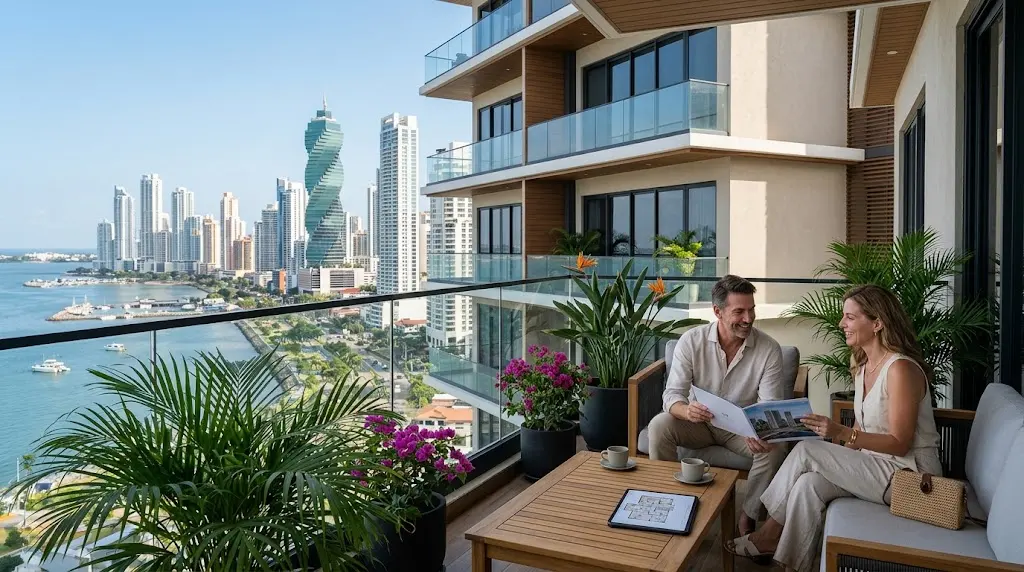
Buying property in Panama can appeal to Canadians and Americans looking for a retirement home, a place to spend part of the year, or a long-term investment. Foreign buyers can generally purchase titled property in their own names, and the process follows a recognizable sequence: choose a property, agree on terms, complete legal checks, sign the deed, and register the transfer. However, Panama’s property system differs from those in Canada and the United States, especially when it comes to land title and the role of the Public Registry.
The most important rule for first-time buyers is simple: do not rely on a seller’s assurances or a property’s appearance alone. Understand exactly what rights are being sold, use an independent Panamanian lawyer, and make sure the transaction is properly documented and registered.
Can Foreigners Buy Property in Panama?
Yes. Foreign individuals can generally own titled real estate in Panama, with ownership rights broadly comparable to those available to Panamanian buyers. You do not ordinarily need to become a Panamanian citizen or resident simply to purchase property.
There are important exceptions. Article 291 of Panama’s Constitution restricts foreign ownership of land within 10 kilometres of the national borders. Indigenous territories, protected areas, and certain coastal or island properties can also involve special restrictions, concessions, or different ownership arrangements. The rules depend on the property’s location and legal status, so buyers should have a local lawyer verify eligibility before making a commitment.
Official guidance from Panama’s government identifies the border restriction and recommends checking property information with relevant public offices. Buyers can consult the government’s overview of land and property rights as a starting point, then obtain advice specific to the property they are considering.
Titled Property vs. Rights of Possession
One of the most important distinctions in Panama is the difference between fully titled property and land held under rights of possession, often called derechos posesorios.
What is titled property?
Titled property has a formal title recorded in Panama’s Public Registry, known as the Registro Público. The registry provides an official record of ownership and relevant registered interests. When a properly documented sale is completed and the transfer is registered, the buyer’s ownership becomes part of that public record.
For many first-time international buyers, titled property is the more straightforward option. Its registered status generally makes ownership easier to verify and can simplify resale or discussions with a lender. Financing is never guaranteed, however, and lenders may apply their own requirements.
What are rights-of-possession properties?
Rights-of-possession land is not the same as registered, titled ownership. It generally concerns a claim to occupy or use land rather than ownership supported by a conventional registered title. Such rights can be more difficult to verify, finance, transfer, or defend if another party challenges the claim.
A property may have a house, access road, utilities, or a long history of occupation and still not have a registered title. Do not assume that possession, a private contract, or a seller’s documents are equivalent to registered ownership. If you are considering this type of property, ask an independent lawyer to explain precisely what rights can legally be transferred, what risks remain, and whether a title process is possible. For buyers who want a simpler transaction and a more conventional resale path, fully titled property is usually the more cautious starting point.
How the Buying Process Typically Works
1. Find a property and make an offer
Begin by identifying your purpose: a primary or retirement home, a seasonal residence, or an investment. Compare location, access to services, building condition, ownership status, and ongoing expenses. If buying from abroad, arrange a live video tour or an in-person visit where possible. Photographs and online descriptions cannot replace an independent assessment of the property and its surroundings.
Once you identify a suitable property, negotiate the price and the conditions of the proposed purchase. Avoid making a substantial payment before your lawyer has reviewed the proposed terms and explained how your deposit will be protected.
2. Sign a promise-to-purchase agreement
Buyers and sellers commonly use a preliminary agreement known as a promesa de compraventa. It sets out the agreed price, payment schedule, closing conditions, deadlines, responsibilities, and consequences if either party fails to perform. A deposit may be required, but the amount and handling arrangements depend on the agreement.
Have your own lawyer review the document before signing or transferring funds. The agreement should clearly explain what happens if due diligence reveals a title problem, the seller cannot complete the transfer, or another agreed condition is not met. Never rely on an informal promise when a written contract can define both parties’ obligations.
3. Complete independent legal due diligence
Your lawyer should verify the seller’s ownership and conduct a search at the Public Registry. The review should identify registered mortgages, liens, restrictions, or other recorded interests that could affect the purchase. Your lawyer should also check the property’s description and boundaries, relevant cadastral information, and whether required taxes and other property obligations have been paid.
For a condominium or property in a managed community, request confirmation of outstanding homeowners’ association (HOA) fees and any relevant assessments. Check building condition, access rights, permits, and utilities where applicable. The checks required will vary with the property, so ask your lawyer to explain any unresolved issue before proceeding.
4. Sign the deed before a notary
Once the agreed conditions are met and the documents are ready, the final transfer is typically formalized through a public deed, or escritura pública, before a Panamanian notary. The deed records the transaction in the legally required form. Your lawyer should coordinate the documents, payment arrangements, and closing requirements with the other parties.
5. Register the transfer
The deed must then be submitted to the Public Registry for registration. Do not assume that signing the agreement or handing over the keys alone completes the transfer of registered ownership. Ask your lawyer to confirm when registration is complete and provide the relevant record for your files.
Panama’s official property-registration information explains the role of the Public Registry in recording and giving public effect to property rights. Procedures and document requirements can vary, so confirm the current requirements for your specific transaction.
Who Does What: Lawyer, Notary, and Buyer’s Agent
These roles are different, and buyers should understand the distinction before choosing a property.
- Your independent lawyer: Protects your legal interests, reviews agreements, checks title and encumbrances, explains risks, and coordinates the legal transfer. Choose a lawyer who represents you independently rather than relying solely on the seller’s adviser.
- The notary: Handles the formal notarial stage of the transaction and the public deed. The notary does not replace your independent legal adviser or negotiate solely on your behalf.
- Your buyer’s agent: Helps identify and compare properties, arranges viewings, explains the local market, negotiates with the seller, and coordinates practical steps throughout the purchase.
Working with a panama real estate agent who represents your interests can make it easier to compare options and negotiate with a clearer understanding of the process. Confirm the agent’s role, representation arrangements, and compensation in writing. In Panama, the seller typically pays the real estate commission, so buyers generally do not pay their agent a separate commission; nevertheless, confirm the terms for your particular transaction rather than assuming every arrangement is identical.
What Costs Should Buyers Expect?
Budget for more than the purchase price. Buyers commonly pay their own lawyer’s fees along with notary and Public Registry charges. The exact amount depends on the transaction, the documents required, and the services agreed with the professionals involved.
Real estate agent commission is typically paid by the seller in Panama, rather than charged separately to the buyer. However, the purchase agreement and agency arrangements should make the commission responsibility clear. Other transaction expenses may arise depending on the property’s condition, financing, inspections, document preparation, or cross-border paperwork.
Ask your lawyer for a written estimate of buyer-side costs before signing. Do not rely on a general online estimate as a quote for your own transaction, and clarify who is responsible for each fee before closing.
Common Mistakes to Avoid
- Skipping independent legal advice: A property transaction can involve ownership, tax, contractual, and registration issues that are difficult to resolve after closing.
- Buying sight unseen: If you cannot visit, arrange a detailed live inspection and independent checks of the property, access, and surrounding area.
- Confusing possession with title: Verify the legal ownership status rather than relying on the seller’s description.
- Ignoring debts and restrictions: Check registered interests, property-tax status, HOA balances, boundaries, and any relevant building or access issues.
- Paying a deposit without a written agreement: Ensure the contract explains payment handling, deadlines, conditions, and remedies if the transaction cannot proceed.
- Assuming registration is automatic: Ask your lawyer to confirm that the deed has been registered and keep the supporting documents.
Ongoing Costs After You Buy
After closing, owners should budget for property taxes where applicable, HOA or condominium fees, insurance, utilities, repairs, and routine maintenance. Coastal properties, older buildings, and homes that remain empty for part of the year may require additional maintenance planning.
Property-tax obligations depend on the property’s circumstances and any applicable exemptions. Review the current rules and your property’s status with a qualified local adviser. This overview of property taxes in Panama may be a useful starting point, but verify any tax treatment that applies to your particular property before budgeting or filing.
Final Thoughts
Buying property in Panama as a foreigner can be a manageable process when you understand the difference between registered title and possession rights, document the agreement carefully, and complete the required legal checks. The key steps are to choose the right property, negotiate written terms, verify ownership and outstanding obligations, sign the deed correctly, and confirm registration.
An experienced independent Panamanian lawyer helps protect your legal interests, while a buyer’s agent can help you find, compare, and negotiate properties. Take time to verify the details before paying a deposit, and treat this article as general information rather than legal or tax advice. The right professional guidance can help you approach your purchase with clearer expectations and fewer avoidable surprises.