Stress is not just a feeling — it is a full-body event. Tight shoulders, shallow breathing, a racing mind at midnight. Chronic stress quietly raises blood pressure, wrecks sleep, and weakens immunity, yet most stress advice demands lifestyle overhauls nobody has time for. You do not need a retreat or a new routine. You need tools that work in ten minutes, right where you are.
These ten simple stress relief techniques are backed by research, require no equipment, and fit into the busiest day. Pick two or three that appeal to you and keep them in your back pocket.
1. Box Breathing (4-4-4-4)
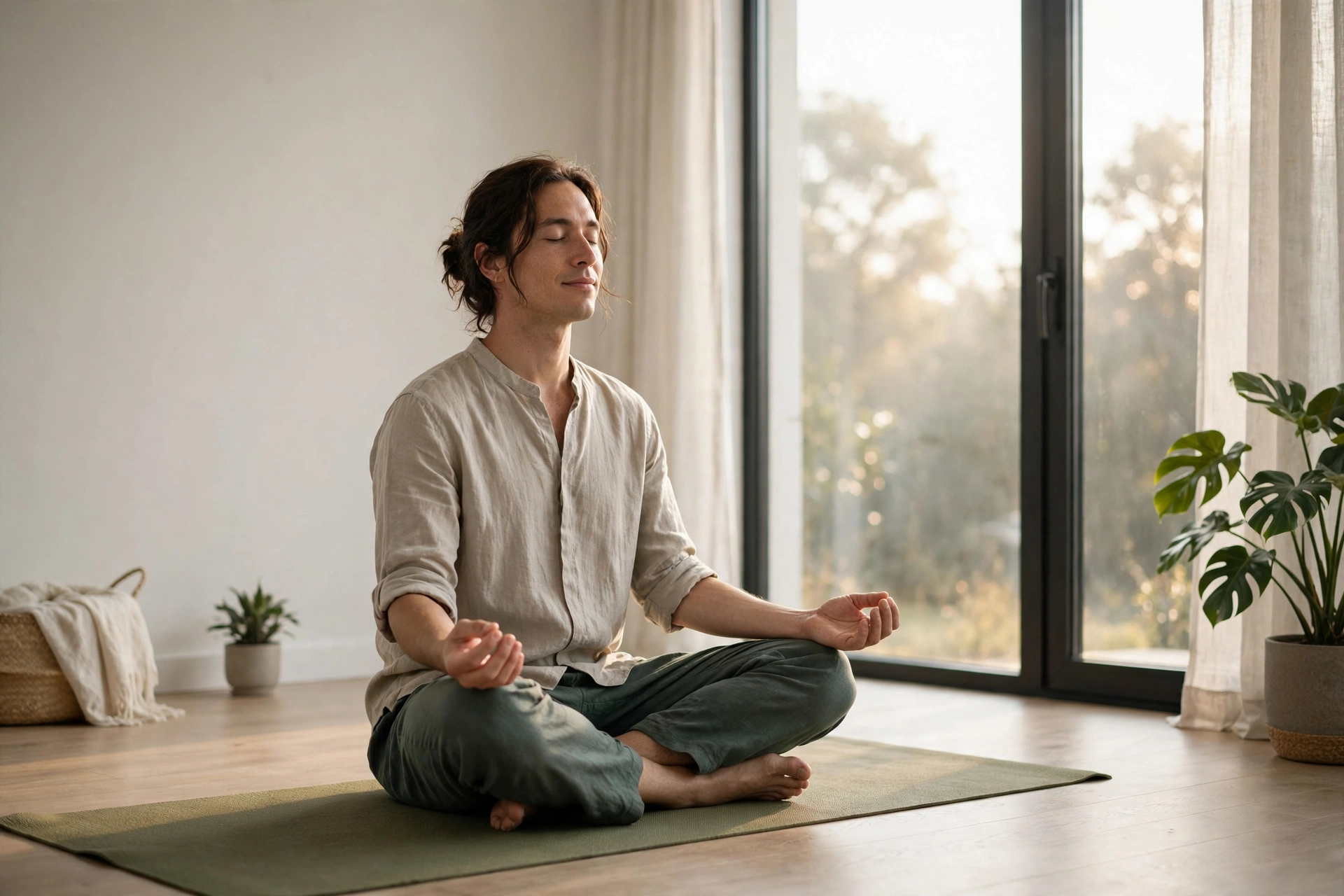
Used by everyone from Navy SEALs to ER nurses, box breathing is the fastest way to tell your nervous system to stand down. Breathe in for 4 counts, hold for 4, breathe out for 4, hold empty for 4 — and repeat for two minutes.
The extended exhale is the key: it activates the parasympathetic nervous system, physically slowing your heart rate. You will feel the shift within a few cycles. Use it before difficult conversations, presentations, or any moment your chest starts tightening.
2. The 5-4-3-2-1 Grounding Exercise
When your mind is spiraling, anchor it in your senses. Name 5 things you can see, 4 you can touch, 3 you can hear, 2 you can smell, and 1 you can taste. This technique interrupts anxious thought loops by forcing your brain to process present-moment sensory data.
Therapists teach this for panic and acute anxiety because it works in under two minutes, anywhere — at your desk, in traffic, in a crowded room.
3. Cold Water Reset
Splash cold water on your face or hold a cold pack against your cheeks for 30 seconds. This triggers the dive reflex, an involuntary response that immediately slows your heart rate and redirects blood flow. It is a physiological pattern-interrupt — hard to stay in fight-or-flight when your body thinks it just hit cold water.
Keep a cold water bottle at your desk and you have a reset button within arm’s reach all day.
4. Progressive Muscle Relaxation
Stress hides in your muscles, especially the jaw, shoulders, and hands. Starting at your feet, tense each muscle group hard for 5 seconds, then release completely and notice the difference. Work upward to your calves, thighs, stomach, hands, shoulders, and face.
The contrast teaches your body what “relaxed” actually feels like — most chronically stressed people have forgotten. Ten minutes covers the whole body; even three minutes on the shoulders and jaw helps noticeably.
5. A 10-Minute Walk (No Phone)
Walking is one of the most studied stress interventions in existence. Ten minutes of moderate walking measurably lowers cortisol, and doing it without your phone doubles the benefit — no news, no notifications, no doomscrolling.
If you can, walk somewhere green. Even brief exposure to trees and natural light amplifies the calming effect. Rain or shine, the walk works; the phone stays behind.
6. Write the Worry Down
Unfinished mental loops — the email you owe, the bill you forgot, the conversation you are dreading — keep your brain in low-grade alarm mode. Grab paper and spend five minutes dumping every open loop out of your head and onto the page.
This is not journaling about your feelings; it is an external hard drive for your brain. Studies show that offloading worries onto paper frees working memory and measurably reduces anxiety. Once it is written down, your mind finally gets permission to stop rehearsing it.
7. The Physiological Sigh
Stanford researchers identified this as the single fastest real-time stress reducer they tested: two short inhales through the nose, followed by one long exhale through the mouth. One cycle takes about five seconds. Three cycles can noticeably calm you in under a minute.
It works by reinflating collapsed air sacs in the lungs, maximizing CO2 offloading on the exhale. Keep it in your toolkit for red lights, tense meetings, and sleepless nights.
8. Tidy One Small Space
Your environment feeds your nervous system. A chaotic desk or cluttered counter keeps your brain subtly on alert. Set a timer for ten minutes and completely clear one small zone — a drawer, a shelf, your nightstand.
The visible before-and-after gives your brain a hit of completion and control, two things stress steals from you. For a bigger reset, a full weekend room-by-room declutter can transform how calm your home feels day to day.
9. Hum or Sing for Two Minutes
Humming, singing, or even gargling vigorously stimulates the vagus nerve, the main highway of your parasympathetic nervous system. It sounds silly; the physiology is real. Two minutes of humming your favorite song in the car or shower measurably shifts your body toward rest mode.
This is also why chanting and choir singing feel so calming across cultures — vibration plus slow breathing is a built-in tranquilizer.
10. The 10-Minute “Good Enough” Nap
When stress has you exhausted, a short nap beats pushing through. Set an alarm for 10 to 20 minutes, lie down somewhere dark and quiet, and rest — even if you do not fully fall asleep, the downtime resets alertness and mood.
The rules: keep it under 20 minutes to avoid grogginess, and finish before mid-afternoon so it does not steal tonight’s sleep. Chronic stress and poor sleep feed each other, so protecting your nights matters too — these science-backed sleep habits pair perfectly with daytime stress relief.
Building Your Personal Stress Toolkit
No single technique works for every person or every situation. The smart move is to test several over the next week and notice which ones you actually reach for. Most people end up with a personal trio: one breathing technique, one physical reset, and one mental offload.
Then attach them to triggers: box breathing before meetings, the walk after lunch, the worry-dump before bed. Techniques you only remember when you are already overwhelmed get used rarely; techniques tied to routine get used daily — which is when they actually change your baseline stress level.
When Stress Needs More Than Techniques
These tools handle everyday stress beautifully, but they are not a substitute for professional help. If stress comes with persistent hopelessness, panic attacks, inability to function at work or home, or physical symptoms that do not ease, talk to a doctor or mental health professional. Seeking help is not a failure of these techniques — it is the smartest technique of all.
The Bottom Line
You do not need an hour, a gym membership, or a meditation retreat to lower your stress. Ten minutes, the techniques above, and a little consistency can genuinely change how your days feel. Start with the physiological sigh the next time tension spikes — it takes fifteen seconds, and it works.